


Managing Glaucoma in Atlanta: Personalized Care for the "Silent Thief of Sight"
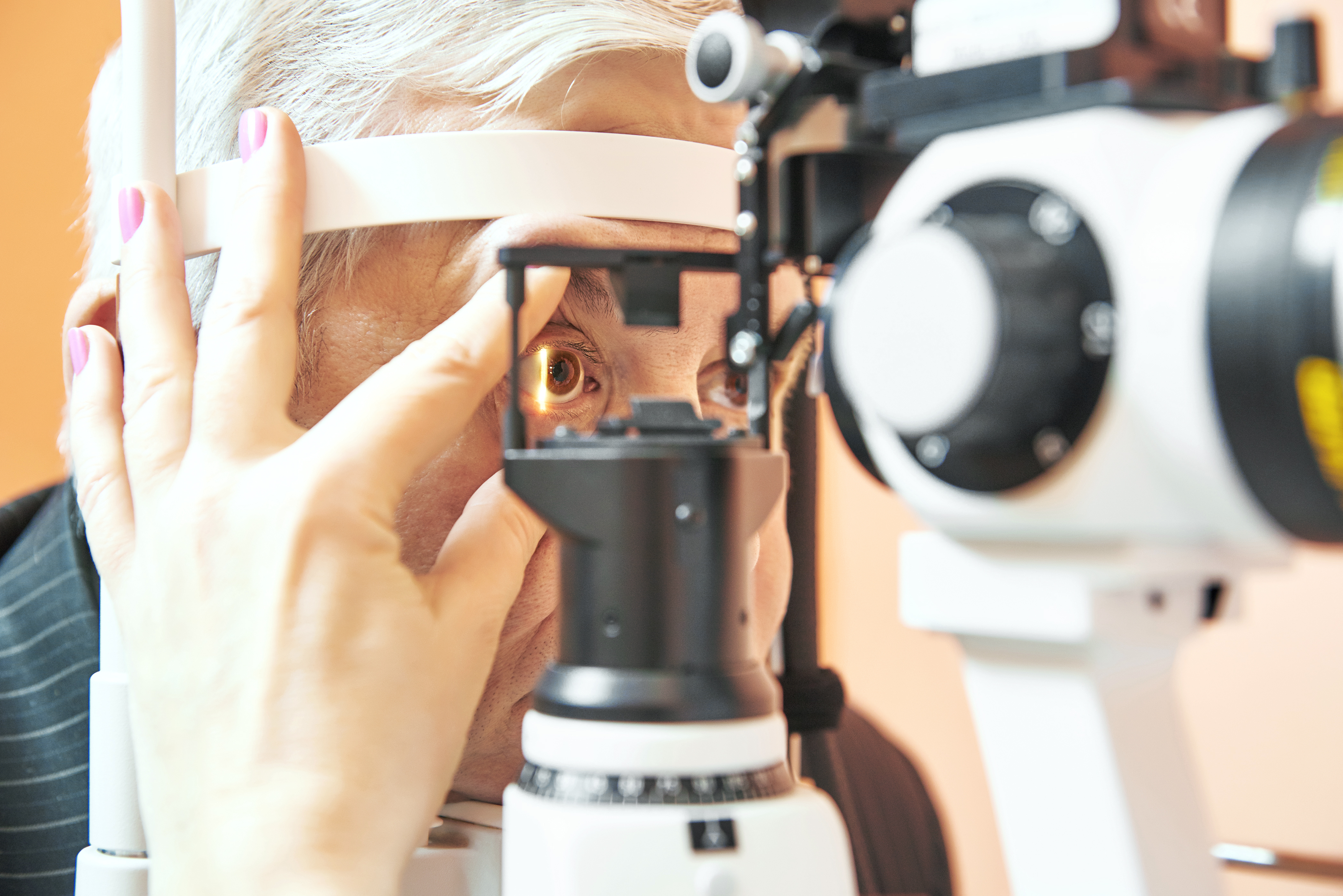
Glaucoma is often called the "silent thief of sight" because it can damage vision gradually without causing obvious symptoms in its early stages. You may see clearly and feel completely comfortable while changes are already occurring within the optic nerve. Once vision is lost from glaucoma, it generally cannot be restored, making early detection and consistent management especially important.
At Sylvain Eye Care P.C., we provide comprehensive glaucoma exams and management for patients in Atlanta. Our approach focuses on identifying individual risk factors, monitoring changes over time, and determining the level of care each patient needs to help protect long-term vision.
Why Glaucoma Can Be Easy to Miss
Glaucoma refers to a group of eye diseases that damage the optic nerve, which carries visual information from the eye to the brain. Elevated eye pressure is an important risk factor, but glaucoma can also develop when eye pressure falls within what is considered a normal range.
The most common form, open-angle glaucoma, usually develops slowly. Peripheral vision may begin changing first, which means patients can lose significant vision before realizing there is a problem.
This is why routine comprehensive eye exams in Atlanta are so important. Glaucoma screening allows us to look for changes before symptoms become the reason you schedule an appointment.
What Goes Into a Glaucoma Evaluation?
Diagnosing and managing glaucoma involves more than a single eye pressure measurement. Your optometrist evaluates several pieces of information to build a clearer picture of your optic nerve health.
Testing may include:
- Tonometry to measure pressure inside the eyes
- Examination of the optic nerve
- Visual field testing to check peripheral vision
- Assessment of the drainage angle within the eye
- Review of family and medical history
- Comparison with previous examination results
These findings help determine whether you have glaucoma, are considered a glaucoma suspect, or simply need continued routine monitoring.
Personalized Monitoring Matters
Two Atlanta patients with glaucoma may require very different management plans. The type of glaucoma, eye pressure, optic nerve appearance, age, family history, visual field results, and rate of progression can all influence how often testing is needed.
Establishing a baseline is valuable because glaucoma management is often about detecting change over time. If future testing shows that eye pressure is increasing or peripheral vision is changing, your treatment plan may need to be adjusted.
Keeping follow-up appointments is important even when your vision still feels normal. The absence of symptoms does not necessarily mean glaucoma is stable.
How Glaucoma Is Treated
The primary goal of glaucoma treatment is to reduce the risk of further optic nerve damage. Depending on your diagnosis and disease severity, treatment may involve prescription eye drops, laser procedures, or surgery.
Eye drops are commonly used to lower eye pressure by either reducing fluid production inside the eye or helping fluid drain more efficiently. Using medication exactly as directed is important because glaucoma treatment works continuously to control risk rather than providing noticeable short-term symptom relief.
When additional treatment is appropriate, patients may be referred for laser or surgical care while continuing to receive ongoing monitoring.
Know Your Personal Risk Factors
Anyone can develop glaucoma, but certain factors can increase risk. These include advancing age, a family history of glaucoma, elevated eye pressure, certain medical conditions, and particular anatomical features of the eye.
A previous normal eye exam does not guarantee that glaucoma will never develop. Risk can change over time, which is why regular eye care remains important throughout adulthood.
Certain forms of glaucoma can also cause sudden symptoms. Severe eye pain, sudden blurred vision, halos around lights, headache, nausea, or vomiting can indicate an eye emergency and require immediate medical attention.
If you have glaucoma, a family history of the disease, or are overdue for an eye health evaluation, schedule a glaucoma exam with Sylvain Eye Care P.C. at 2434 Gresham Road SE, Suite C, Atlanta, GA 30316, or call (404) 341-4350 for personalized monitoring and care focused on protecting your sight for the years ahead.


Contact Us
Let’s keep in touch!

Office Hours
- Monday 8:00am - 4:00pm
- Tuesday 8:00am - 4:00pm
- Wednesday 8:00am - 4:00pm
- Thursday 10:00am - 7:00pm
- Friday 8:00am - 4:00pm
- Saturday Closed
- Sunday Closed
**Closed for lunch Monday-Wednesday and Friday from 1-2 pm and closed Thursday from 2-3 pm.
© 2026 Sylvain Eye Care P.C. | All rights Reserved | Accessibility Statement | Privacy Policy | Sitemap
Powered by:
