


What Does a Diabetic Eye Exam Detect?
If you have diabetes, protecting your vision should be a top priority. Many diabetes-related eye conditions develop quietly, without pain or noticeable vision changes in the early stages. By the time symptoms appear, damage may already be advanced. That’s why routine diabetic eye exams are essential.
At Sylvain Eye Care, we provide comprehensive diabetic eye exams designed to detect early signs of vision-threatening conditions - often before you’re aware of any changes.
Why Diabetic Eye Exams Are So Important
Diabetes affects blood sugar levels, and consistently elevated blood sugar can damage the small blood vessels throughout the body - including those in the eyes. The retina, located at the back of the eye, relies on these delicate vessels to function properly. When they become weakened or blocked, vision can be compromised.
A diabetic eye exam goes beyond checking your prescription. It focuses on the internal health of your eyes, particularly the retina, macula, optic nerve, and blood vessels.
Diabetic Retinopathy
One of the most serious complications of diabetes is diabetic retinopathy. This condition develops when high blood sugar damages the retinal blood vessels. They may swell, leak, or close off completely. In more advanced stages, abnormal new blood vessels can grow, increasing the risk of bleeding and vision loss.
In its early stages, diabetic retinopathy may not cause noticeable symptoms. A dilated eye exam allows us to detect subtle changes before they progress, making early treatment possible and significantly reducing the risk of permanent damage.
Diabetic Macular Edema
The macula is responsible for sharp, central vision. Diabetes can cause fluid to accumulate in this area, leading to swelling known as diabetic macular edema. When the macula swells, tasks like reading, driving, or recognizing faces can become difficult.
Through advanced imaging and careful evaluation, a diabetic eye exam can identify macular swelling early, even before vision becomes noticeably blurry.
Glaucoma and Cataracts
People with diabetes are also at increased risk for glaucoma and cataracts.
Glaucoma involves damage to the optic nerve, often related to increased eye pressure. Because vision loss from glaucoma is permanent, early detection through routine pressure checks and optic nerve evaluation is critical.
Cataracts, which cause clouding of the eye’s natural lens, tend to develop earlier and progress more quickly in individuals with diabetes. During your exam, we assess lens clarity and monitor for changes that may affect your vision.
What Happens During a Diabetic Eye Exam?
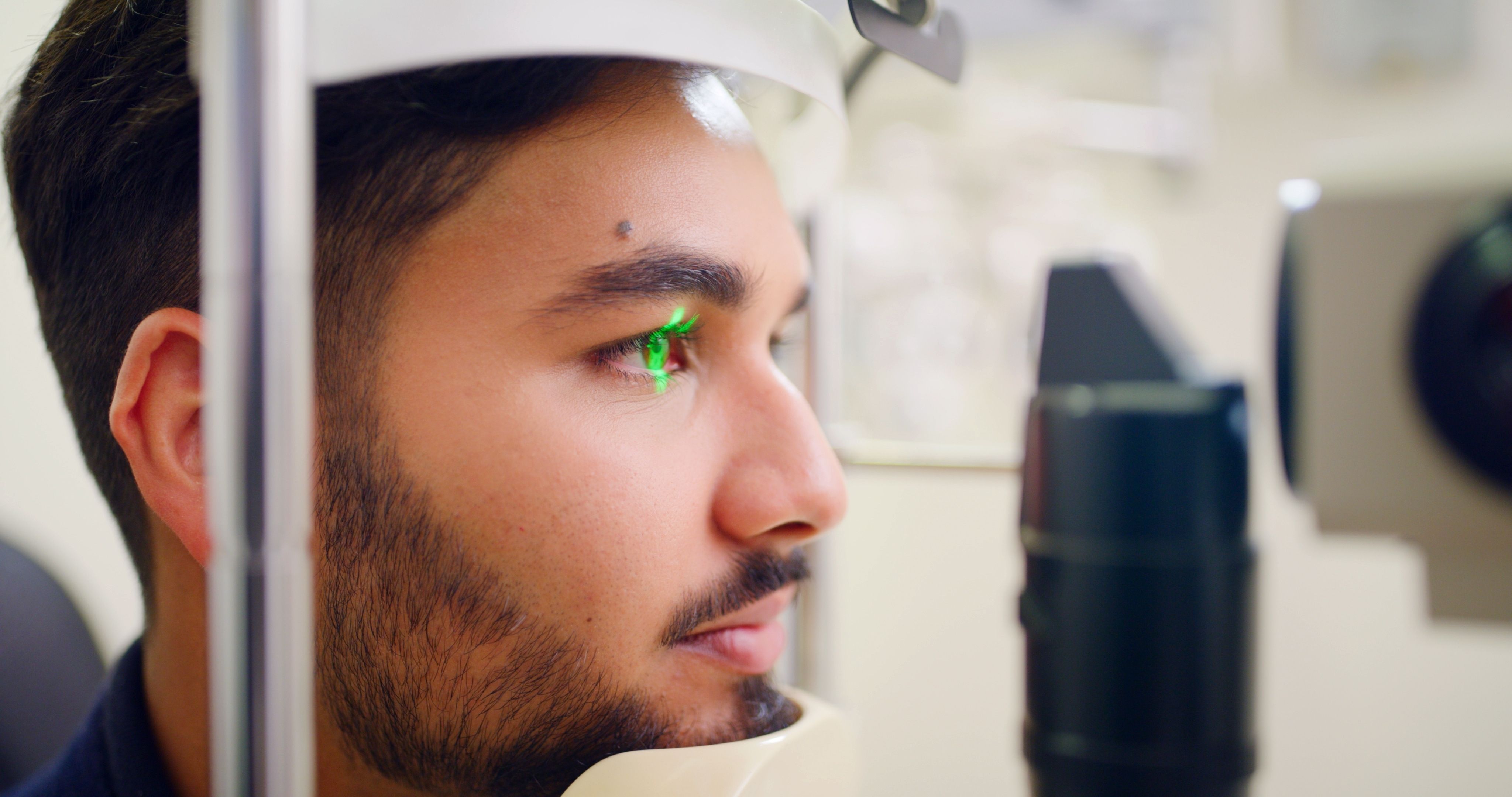
At Sylvain Eye Care, your diabetic eye exam includes a detailed evaluation of your vision and internal eye health. We typically dilate your pupils to thoroughly examine the retina and optic nerve. Retinal imaging and additional diagnostic testing may be performed when necessary to closely monitor even the smallest changes.
Although dilation may cause temporary light sensitivity or blurred vision for a few hours, it provides essential information that helps protect your long-term sight.
How Often Should You Be Examined?
Most individuals with diabetes should have a comprehensive dilated eye exam once a year. However, depending on your eye health and blood sugar control, more frequent visits may be recommended. Even if your vision seems perfectly clear, damage can occur without symptoms.
Don’t Let Diabetes Steal Your Sight - Schedule Your Diabetic Eye Exam Today
A diabetic eye exam can detect serious conditions such as diabetic retinopathy, macular edema, glaucoma, cataracts, and early blood vessel damage - often before you notice any vision changes. Early detection allows for timely treatment and significantly improves your chances of maintaining healthy eyesight.
If you have diabetes, now is the time to prioritize your eye health. Contact Sylvain Eye Care today to schedule your comprehensive diabetic eye exam. Visit our office in Atlanta, Georgia, or call (404) 341-4350 to book an appointment.


Contact Us
Let’s keep in touch!

Office Hours
- Monday 8:00am - 4:00pm
- Tuesday 8:00am - 4:00pm
- Wednesday 8:00am - 4:00pm
- Thursday 10:00am - 7:00pm
- Friday 8:00am - 4:00pm
- Saturday Closed
- Sunday Closed
**Closed for lunch Monday-Wednesday and Friday from 1-2 pm and closed Thursday from 2-3 pm.
© 2026 Sylvain Eye Care P.C. | All rights Reserved | Accessibility Statement | Privacy Policy | Sitemap
Powered by:
