


Why Annual Diabetic Eye Exams Are Essential for Protecting Your Vision
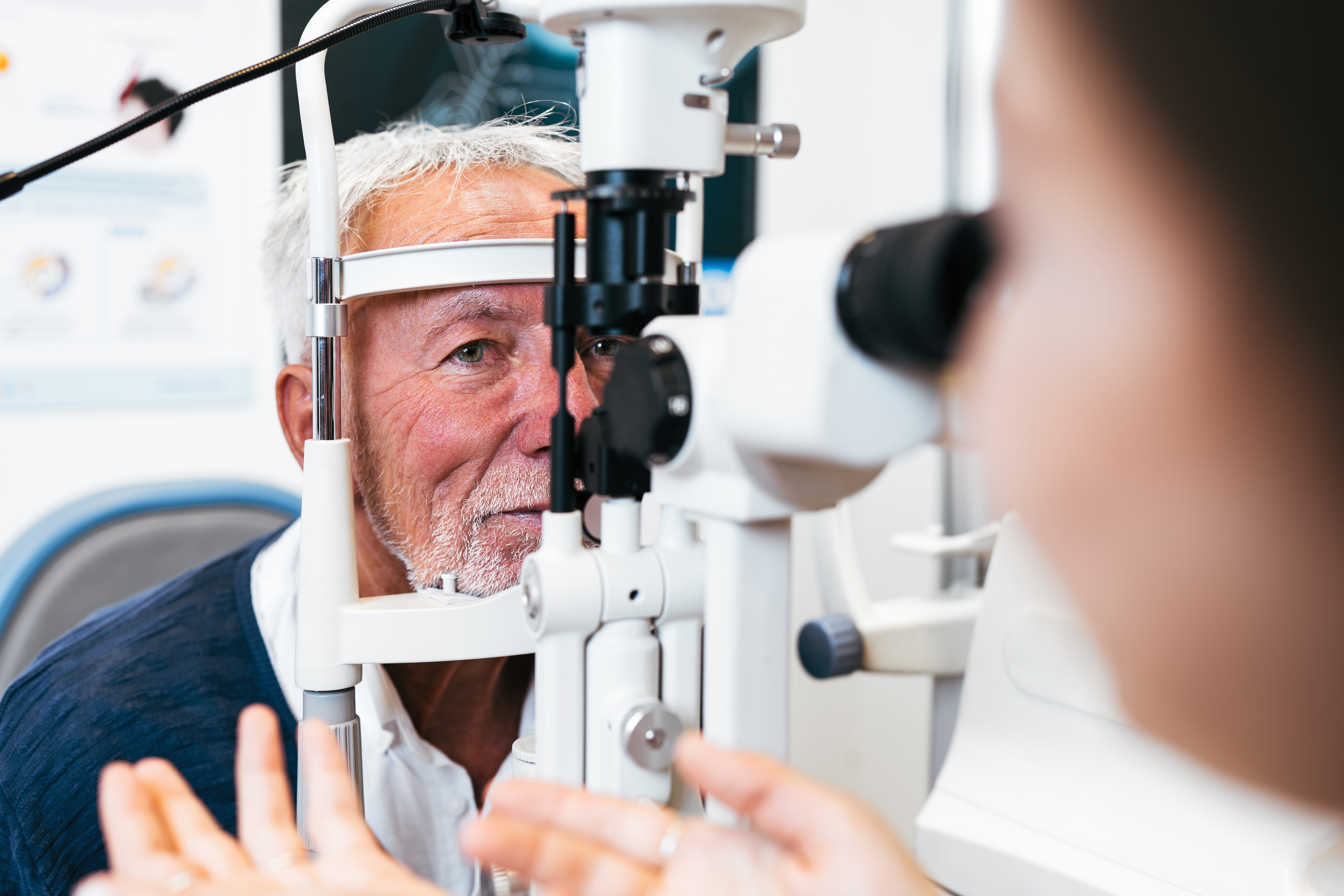
Diabetes can affect your eye health long before you notice changes in your vision. Even if your eyesight seems perfectly clear, elevated blood sugar levels can gradually damage the delicate blood vessels in your eyes. At Sylvain Eye Care P.C. in Atlanta, GA, we emphasize the importance of annual diabetic eye exams to detect potential problems early and help protect your long-term vision.
How Diabetes Can Affect Your Eye Health
Over time, high blood sugar can weaken or damage the small blood vessels that supply the retina, the light-sensitive tissue at the back of your eye. This damage can lead to diabetic retinopathy, a condition that may cause permanent vision loss if left untreated.
Diabetes can also increase your risk of developing other eye conditions, including cataracts and glaucoma. Because these conditions may develop without noticeable symptoms, regular diabetic eye exams are an essential part of managing your overall health.
What Can an Annual Diabetic Eye Exam Detect?
A diabetic eye exam involves more than checking how clearly you can see. During your visit, we evaluate the health of your eyes and look for early signs of diabetes-related complications.
Some of the conditions we monitor include:
• Diabetic Retinopathy: Damage to retinal blood vessels that can lead to bleeding, swelling, and vision loss.
• Diabetic Macular Edema: Fluid accumulation in the macula, the central portion of the retina responsible for detailed vision.
• Glaucoma: Damage to the optic nerve that can cause permanent peripheral vision loss.
• Cataracts: Clouding of the eye's natural lens, which may develop earlier or progress faster in people with diabetes.
We may use pupil dilation, retinal imaging, and other diagnostic tests to examine your eyes and identify changes that require monitoring or treatment.
Why Are Yearly Eye Exams Important Even Without Symptoms?
One of the biggest concerns with diabetic eye disease is that it can progress silently. You may have early retinal damage while still experiencing normal vision. Annual diabetic eye exams allow us to compare your eye health from year to year and identify subtle changes that might otherwise go unnoticed. Detecting these changes early can help us recommend appropriate monitoring, treatment, or specialist referrals before complications become more serious.
How Often Should Patients With Diabetes Get an Eye Exam?
For most patients with diabetes, annual comprehensive dilated eye exams are an important part of preventive care. However, your recommended examination schedule may depend on your diabetes type, blood sugar control, and existing eye conditions.
If signs of diabetic retinopathy or other complications are detected, more frequent evaluations may be necessary. Our team can help determine an appropriate monitoring schedule based on your individual eye health.
Protecting Your Vision Between Appointments
Along with regular eye exams, managing your blood sugar, blood pressure, and cholesterol can help reduce your risk of diabetes-related eye complications. It's also important to communicate any changes in your vision, including persistent blurriness, new floaters, or difficulty seeing clearly. Sudden vision loss or a sudden increase in floaters requires urgent medical attention rather than waiting for your next scheduled exam.
Take a proactive approach to your eye health by scheduling your annual diabetic eye exam at Sylvain Eye Care P.C. to help keep your vision protected for years to come. Visit our office in Atlanta, GA, or call (404) 341-4350 to book an appointment today.


Contact Us
Let’s keep in touch!

Office Hours
- Monday 8:00am - 4:00pm
- Tuesday 8:00am - 4:00pm
- Wednesday 8:00am - 4:00pm
- Thursday 10:00am - 7:00pm
- Friday 8:00am - 4:00pm
- Saturday Closed
- Sunday Closed
**Closed for lunch Monday-Wednesday and Friday from 1-2 pm and closed Thursday from 2-3 pm.
© 2026 Sylvain Eye Care P.C. | All rights Reserved | Accessibility Statement | Privacy Policy | Sitemap
Powered by:
